
The Loyalty Loop for Holiday Parks: Why Returning Guests Are Worth More Than New Ones
Quick answer:
A returning guest costs a holiday park almost nothing to win back — no advertising spend, no OTA commission, no unfamiliar risk on either side — while a new guest typically costs significant time and money to acquire and convert. Building a genuine loyalty loop, where each stay naturally leads to the next through timely, relevant contact, is one of the highest-return activities a park can invest in, and it depends entirely on having a guest CRM that actually remembers who's been before.
There's a concept in customer experience circles sometimes called the loyalty loop, and it goes against how most businesses instinctively think about growth. The instinct is to treat every new customer acquisition as the real prize — the ad campaign that brought in a first-time buyer, the search result that converted a stranger. But the businesses that grow most sustainably tend to obsess over something quieter: what happens after that first purchase, and whether it naturally leads to a second one without needing to be re-won from scratch. A guest who has already had a good experience is dramatically easier to bring back than a stranger is to find in the first place — and yet most marketing budgets are built almost entirely around finding strangers.
Holiday parks are a near-perfect case study for why this matters, because the product itself is built for repetition. Families don't holiday once and move on; they return to the same pitch, the same view, the same walk to the same beach, sometimes for decades. The question isn't whether guests want to come back. It's whether the park gives them an easy, well-timed reason to, before an OTA search does it for them instead.
Why new-guest acquisition is the expensive habit
Every new guest a park wins through an OTA listing or a paid advert carries a real cost — commission, ad spend, or both — plus the inherent uncertainty of whether a stranger will actually enjoy the park enough to consider coming back. None of that is wasted money; new guests are how a park grows in the first place. But treating every season as a fresh acquisition exercise, without a deliberate plan to convert first-time guests into returning ones, means paying that acquisition cost again and again for people who might have come back anyway, for free, if only they'd been asked at the right moment.
What actually closes the loop
The loyalty loop closes with a specific, well-timed action, not a vague hope that guests will remember to rebook. In practice, that means a follow-up message shortly after a stay thanking guests and inviting feedback, a seasonal reminder timed to when that guest typically starts thinking about next year's holiday, and an easy, low-friction way to rebook the same or a similar unit without starting the search process from zero. None of this works if it's generic — a message that references the specific pitch, the specific dates, or the specific thing a guest mentioned enjoying performs dramatically better than a mass email that could have been sent to anyone.
Why this depends entirely on the guest database
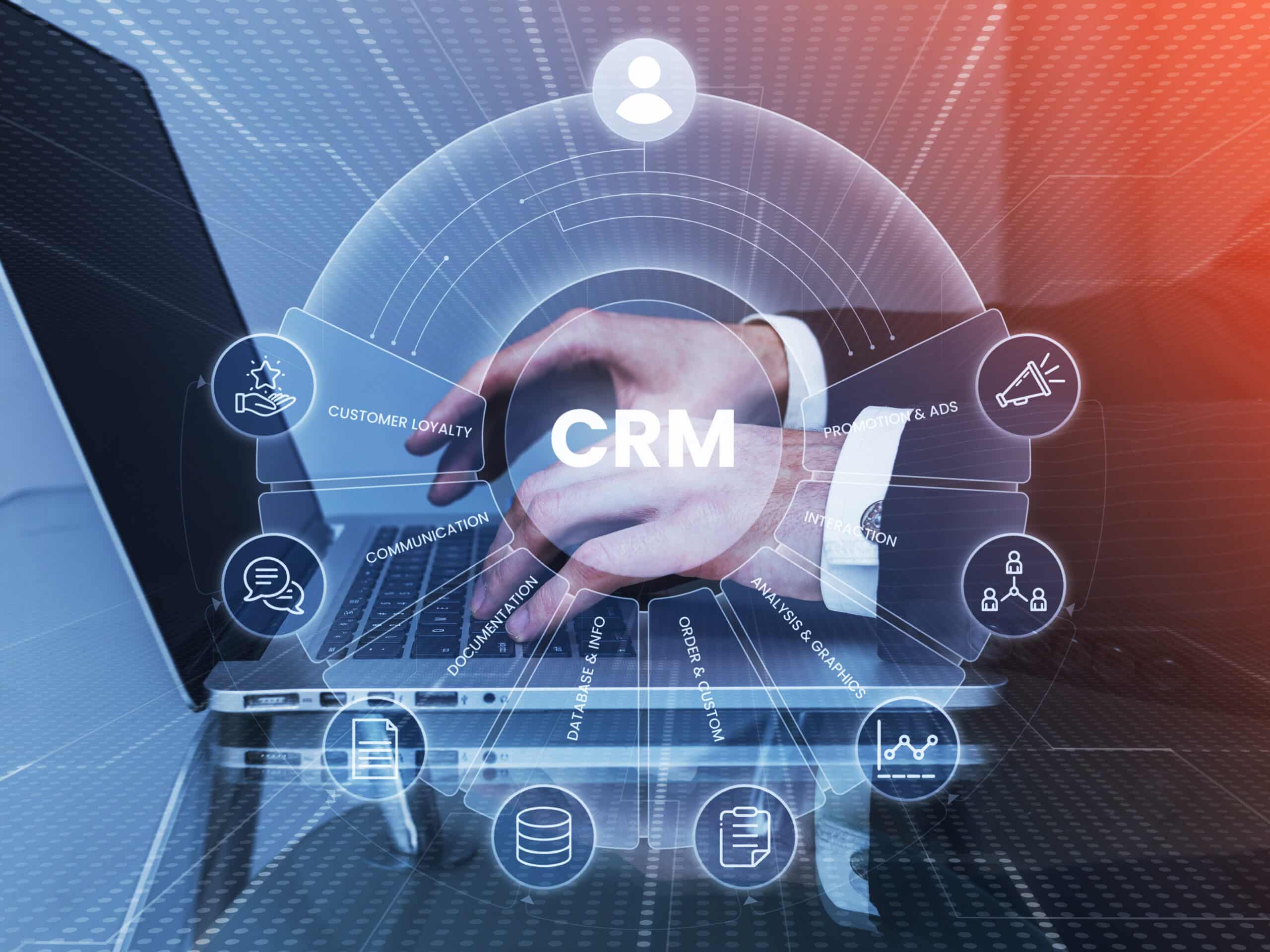
None of the loyalty loop is possible without a guest CRM that actually retains and organises stay history — which unit, which dates, which preferences, which past communications. A park relying on guest data scattered across a booking system, a separate email tool, and a paper guestbook can't personalise anything meaningfully, because nobody can see the full picture of any individual guest's history in one place. This is the unglamorous infrastructure question sitting underneath every "improve guest loyalty" strategy: you cannot close a loop you can't see.
Automation is what makes the loop reliable
A busy park team cannot manually track when every past guest is due a follow-up message, a seasonal reminder, or a win-back nudge — there simply isn't time, especially during the season when guest-facing work takes priority. This is where automated guest marketing earns its place: pre-built sequences that trigger based on stay date, time since last visit, or approaching anniversary, sending relevant messages without anyone needing to remember to do it manually. The loop doesn't need a marketing department to stay closed. It needs a system that keeps closing it automatically, in the background, while the team focuses on the guests currently on site.
Measuring the loop, not just guessing at it
Parks that take this seriously eventually want to know whether it's actually working, and the honest answer requires tracking rebooking rate by guest segment over time — not just overall occupancy, which can be flattered by strong new-guest acquisition even while returning-guest rates quietly decline. A park with rising occupancy but falling repeat-guest percentage is often masking a real problem: it's replacing loyal guests with new ones at a faster rate than it should need to, and paying acquisition costs it could largely avoid.
The moment most parks accidentally break the loop
There's a specific point in the guest journey where a surprising number of parks unintentionally break their own loyalty loop, and it's not where you'd expect. It isn't the stay itself — most guests leave a well-run park genuinely happy. It's the silence immediately afterward. A guest checks out, has a great time, and then hears nothing from the park again until, months later, they happen to start searching for next year's holiday themselves — at which point an OTA listing, a competitor's advert, or simple inertia is just as likely to catch their attention as a memory of last year's stay. The loop isn't broken by a bad experience; it's broken by absence, at exactly the moment a small, well-timed nudge would have cost nothing and worked.
Why this compounds over years, not just one season
The real power of a working loyalty loop only becomes obvious when you look at it over several years rather than one season in isolation. A park that converts even a modest percentage more of its first-time guests into second-time guests each year isn't just adding one season's worth of repeat bookings — it's compounding a base of loyal guests that grows steadily while acquisition costs for new guests stay flat or rise. Two parks with identical new-guest acquisition in year one can look completely different by year five, purely based on how well each one closed the loop in between. It's a slow-moving advantage, which is exactly why it's so often overlooked in favour of shorter-term marketing pushes.
Key takeaways
- Returning guests cost far less to win back than new guests cost to acquire, yet get far less deliberate attention in most marketing plans.
- The loyalty loop closes through specific, well-timed, personalised contact — not a vague hope guests will remember to rebook.
- A genuine guest CRM with full stay history is the infrastructure the entire loyalty loop depends on.
- Automated sequences keep the loop closing reliably without needing a dedicated marketing team.
- Tracking repeat-guest rate, not just overall occupancy, reveals whether loyalty is actually improving or quietly eroding.
Frequently asked questions
It's the repeating cycle where a good stay leads naturally to a returning booking through timely, relevant follow-up — rather than every season starting from a fresh, costly acquisition effort.
Returning guests require no advertising spend or OTA commission to win back, and already trust the park from experience, making them significantly cheaper and faster to convert than a first-time guest.
Parks wanting to see how automated guest marketing and a shared guest CRM work together to close the loyalty loop can explore Parkcore's guest CRM and marketing automation tools directly.